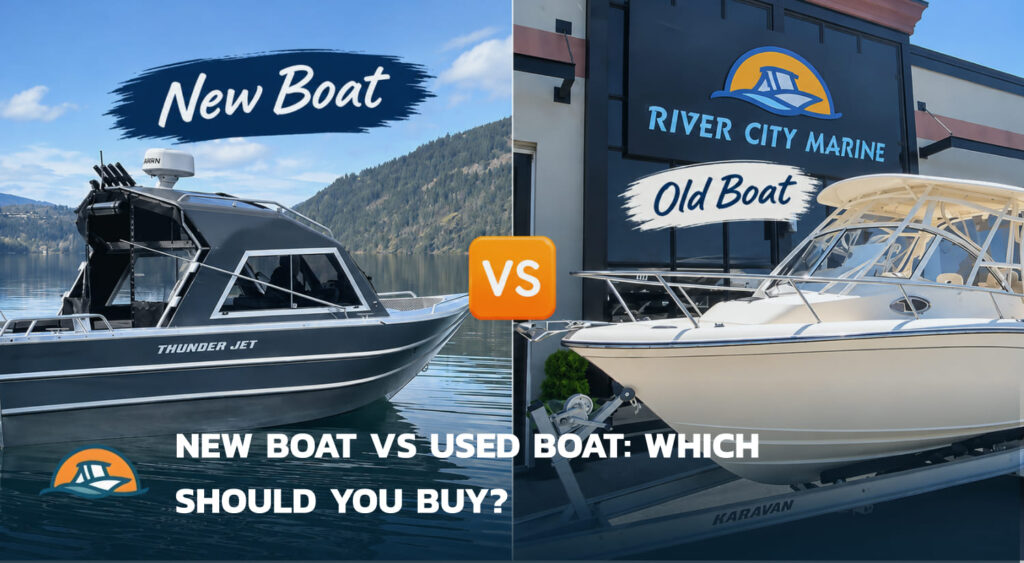
Most people set up new boat vs used boat as a money question and then run the numbers the wrong way around. They line one purchase price against another purchase price, pick the smaller one and call it the better deal. The number that actually decides it is cost per year of ownership across the time you plan to keep the boat, and that number behaves nothing like the sticker. A used boat stored badly through three winters can cost more in its first two seasons than a new boat costs across five. A new boat can shed a quarter of its value before the engine clears twenty hours. Both of those statements hold at once, which is exactly why the decision stays hard for people who are good with money.
So before you read any further, open a spreadsheet and put two columns in it. One column for a specific new boat. One column for a specific used boat of the same length and type. Not categories, not averages, two real boats with real asking prices. Everything below is a line item that belongs in those columns, and the comparison only becomes honest once both columns are filled in.
How Boat Depreciation Works
A new boat generally loses 15 to 25 percent of its value in the first year. After that, the slide settles to roughly 5 to 10 percent per year for the next five to seven years. In practical terms, a boat bought new at $50,000 commonly sits in the $30,000 to $35,000 range three years later, assuming it was maintained and stored properly. Those ranges come from broad market data rather than from any single BC sales record, so treat them as the shape of the curve instead of a quote.
What matters is where the curve flattens. Once a hull is past the five-to-seven-year mark, annual depreciation on a well-kept boat becomes small enough that it stops driving the decision, and running costs take over instead. If you plan to hold the boat for ten years, the first-year drop spreads thin enough to matter far less than it looks. If you plan to sell in three, it is the biggest number in your column.
Depreciation is only one line, though, and it is not the line that empties a bank account. Our breakdown of ownership costs covers the rest of the annual figures that belong beside it, including moorage, insurance, fuel and scheduled service, so the yearly total in each column reflects what the boat actually takes out of your year rather than the loan payment on its own. Run that total for both boats before you weigh anything else.
The Pros and Cons of Buying Used
A comparable used boat commonly lists 30 to 50 percent below the new equivalent, and that saving is real. What the savings buys you is a hull with an undocumented history. Condition on the water has far more influence on what a used boat costs to run than model year does. A boat that was flushed after every saltwater trip, serviced on schedule and stored under cover can run at roughly the same cost per year as a new boat of the same type. A boat that was not can cost two to three times more across its first two seasons with you while you fix what the previous owner deferred. Shopping pre-owned boats with that in mind changes what you look at first.
The expensive deferrals are predictable. Water intrusion into a cored transom or stringer. A lower unit that was never serviced and is now weeping oil at the seal. Corroded wiring behind the dash where road salt and moisture reached it on a trailer. A fuel tank that sat half full for four seasons with ethanol-blended gas in it. None of those are visible from the dock, all of them are expensive, and they are the repairs a service department sees most on privately sold boats. Put a contingency line in the used column before you go look at anything.
Why a Marine Survey Matters
Marine surveys in Canada generally run $15 to $25 per foot, which puts a 22-footer somewhere around $330 to $550 depending on the surveyor and the depth of the inspection. Most surveyors and most marine lenders treat a survey as standard on any used purchase above roughly $5,000 to $10,000 in value. On a $45,000 used boat, that is about one percent of the purchase price spent to find out whether the other 99 percent is sound.
A competent surveyor will sound the hull for delamination, moisture-meter the transom and deck, pull the engine cowling, check the steering and fuel systems, inspect the trailer if one is included and give you a written condition and valuation report. You can use that report two ways. You can walk away, or you can negotiate against the specific deficiencies it lists. Buyers who skip the survey to save a few hundred dollars are the same buyers who find the transom problem in July, when every shop in the Lower Mainland is already booked three weeks out.
Financing and Insurance Differences
Financing treats these as two different products. Most Canadian marine lenders set a maximum vessel age, the cutoff varies from one lender to the next, and some will not write a loan on an older hull at any price. Down payment expectations usually sit around 10 to 20 percent on a new boat from an authorized dealer and 15 to 30 percent on a used one, because the lender is carrying more resale risk. The Bank of Canada raised its policy rate to 2.5 percent in October 2026, its first increase in three years, and marine loan quotes generally price off prime plus a risk margin. Our boat financing page covers how the application actually runs.
Boat insurance splits them too. Insurers routinely require a current survey before writing a policy on an older hull, and the coverage type differs. Agreed value policies pay a figure set when the policy is written. Actual cash value policies pay depreciated value at the time of loss, which on a 12-year-old boat can be a long way below what you paid for it. Get both quotes before you commit, because on an older boat the insurance line can close a surprising amount of the gap between your two columns.
Comparing New and Used Boat Warranties
A new boat arrives with a factory hull warranty and a separate engine warranty, and the terms on those two are not identical. Hull and structural coverage on major fiberglass builders typically runs long, often in the five-to-ten-year range with portions that transfer to a second owner. Outboard coverage is usually three years of factory warranty with the option to extend. Those terms are published per model and per year, so read the actual warranty document for the boat in your column rather than the general figure.
On a used boat, the question is what remains and whether it transfers. Some manufacturers transfer the balance of structural coverage to a second owner once, sometimes with a transfer fee and a registration requirement inside a set window. Some do not transfer at all. Outboard warranty balance is usually tied to the original purchase date rather than to the hours on the engine, which means a four-year-old motor with ninety hours on it is generally out of warranty regardless of how lightly it was used. Confirm it in writing with the manufacturer before you price it into anything.
Why Consider a 2 to 3 Year Old Boat?
The most defensible position in this comparison is usually a boat that is two to three years old. It has already taken the steep first-year hit, which someone else paid for. It is new enough that service history is often traceable and the original owner is often still reachable. It may still carry a transferable balance of hull warranty. It is well inside every lender age cap, so financing terms stay close to new-boat terms.
No one has published BC-specific data showing exactly where that window sits for each hull type and engine brand. The two to three-year figure is a working rule of thumb drawn from general depreciation curves, not a measured local result, and the right window is almost certainly different for a welded aluminum river boat than for a coastal fiberglass hull.
New vs. Used Boat Cost Comparison
| Line Item | New | Used (2 to 3 Years Old) | Used (8 Years or Older) |
|---|---|---|---|
| Purchase Price | Full retail | Roughly 20 to 35% below new | Roughly 40 to 60% below new |
| Depreciation, Year One | 15 to 25% | 5 to 10% | Low and flattening |
| Survey Required | No | Usually, and worth it anyway | Yes, often by the lender |
| Survey Cost | None | $15 to $25 per foot | $15 to $25 per foot |
| Lender Age Limits | No issue | No issue | Often at or past the cap |
| Typical Down Payment | 10 to 20% | 15 to 30% | 20 to 30% or cash |
| Warranty | Full factory, hull and engine | Possible transferable balance | None |
| Unplanned Repair Risk | Low | Low to moderate | Moderate to high |
| Insurance | Standard, agreed value available | Standard | Survey required, often actual cash value |
Fill those nine lines in for your two specific boats and the answer tends to reveal itself without much argument. It is the buyers who compare only the top row who end up surprised in the second season.
Aluminum vs. Fiberglass Boat Considerations
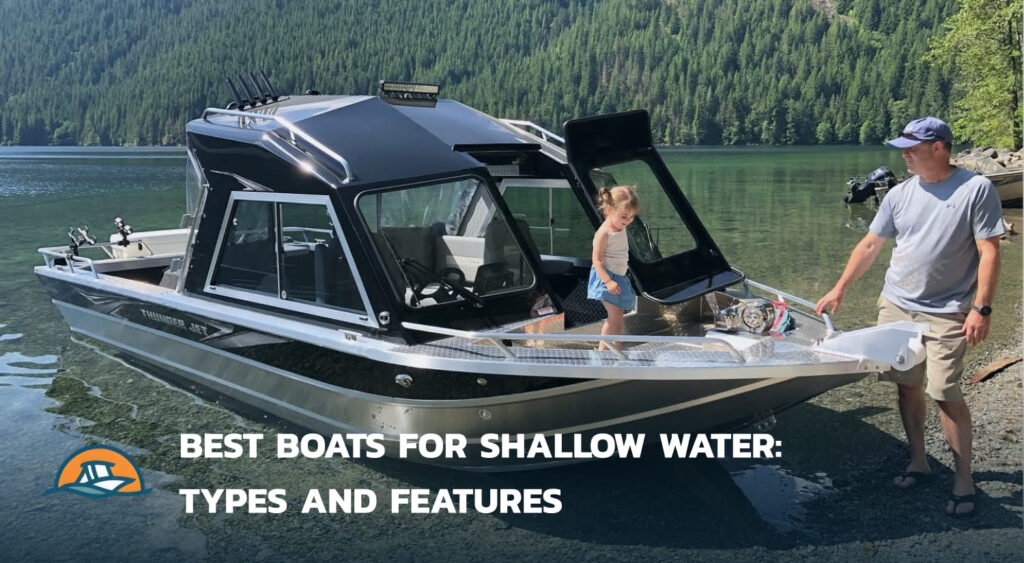
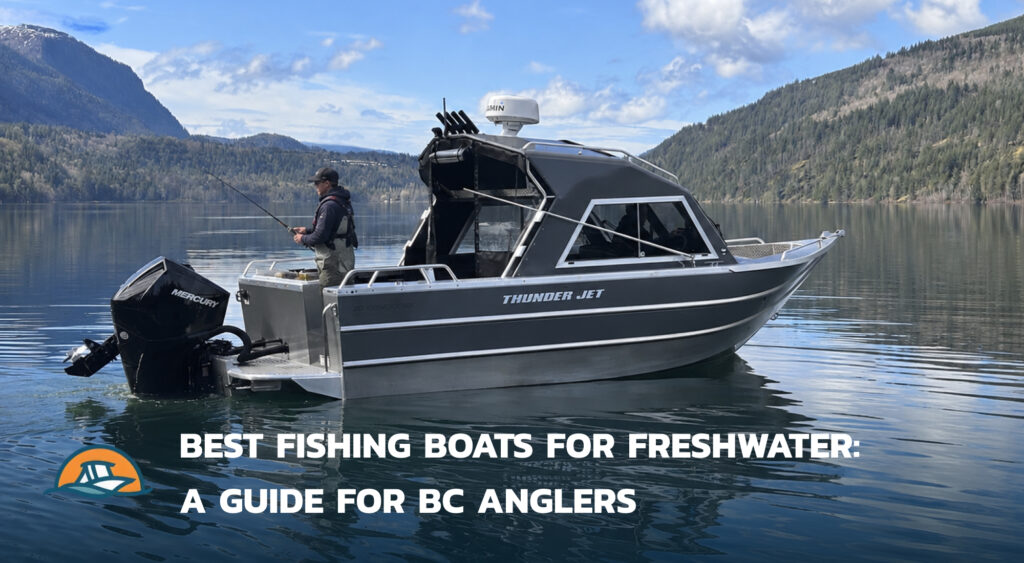
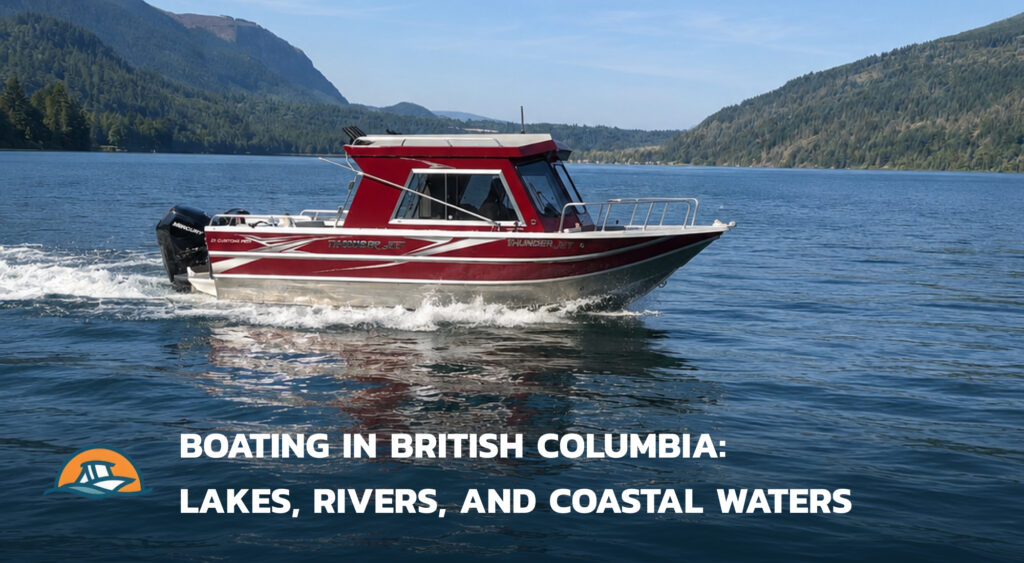
We carry two lines that sit at opposite ends of this question, and the comparison works differently for each. Thunder Jet builds welded aluminum boats, and welded aluminum changes the used-boat risk profile in a specific way. There is no cored structure to take on water, no gelcoat to blister and no laminate to delaminate. What you inspect instead is weld integrity, hull plate thickness where it has been dragged over gravel, and whether the jet pump or lower unit was serviced. A well-kept aluminum river boat holds up to the second-hand market better than most people expect, and we see 2012 and 2014 hulls come through the Abbotsford shop still working hard.
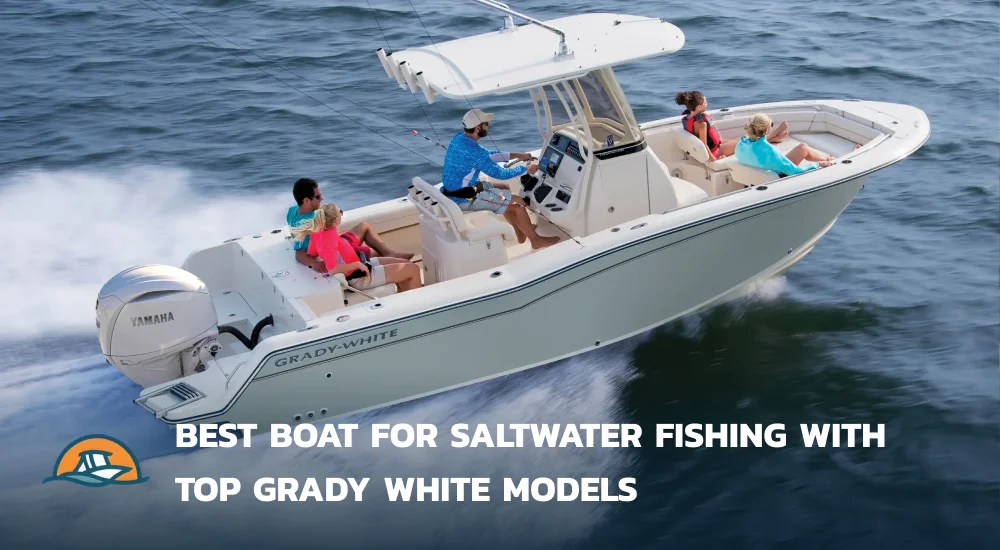
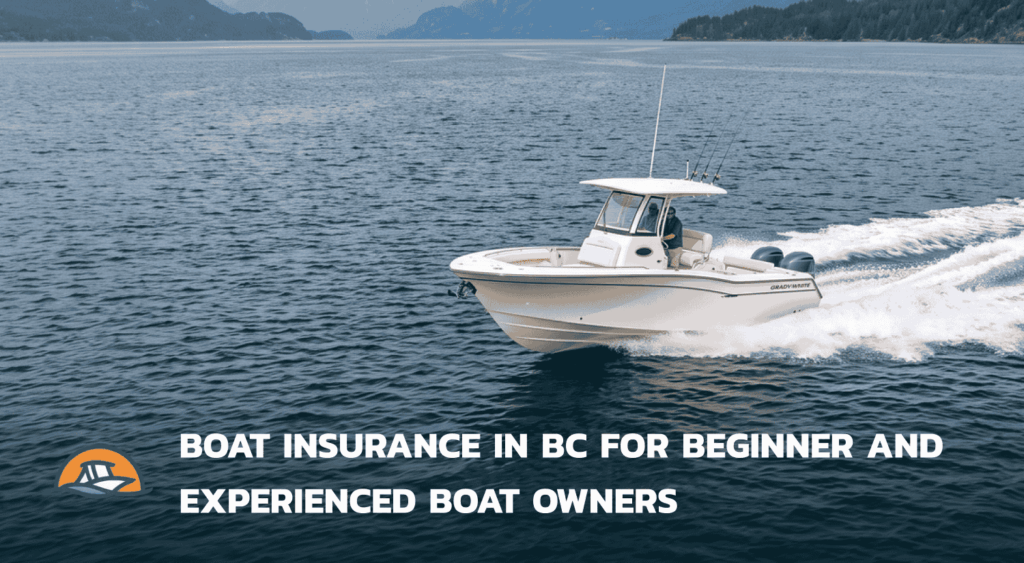
On the fiberglass side, Grady-White hulls are hand-laid fiberglass with composite coring and foam flotation, and they have one of the stronger resale records in the segment. That cuts both ways in this comparison. It means a used one holds its price, so the savings against new is smaller than it would be on a weaker brand. It also means the new column depreciates less steeply than the generic 15 to 25 percent figure suggests. Brand resale strength is a line item, and most buyers leave it out entirely.
Trading In Your Current Boat
If you already own a boat, it is not a separate transaction. It is a line in both columns, and it is usually larger than people guess. Knowing your trade-in value before you walk in changes the shape of the whole conversation, because the trade covers part or all of the down payment requirement, and on a used purchase that requirement is the higher of the two.
The oldest boat that still comes into our Abbotsford service bay every spring is a 1998 hull owned by the same family since new. It has been repowered twice. Every bolt on it has been touched. By any spreadsheet logic, that boat should have been replaced fifteen years ago, and the owner has no interest in the spreadsheet. Some of this decision is not a cost calculation and never was.
Should You Buy New or Used?
If you are buying your first boat, plan to keep it under five years and want to know what every season will cost you, new is the simpler path and the premium you pay is partly for the absence of surprises. If you are experienced enough to read a survey report critically, you are comfortable negotiating against deficiencies and you plan to hold the boat long enough for the depreciation curve to flatten under you, used is where the value sits. If you are somewhere in between, which most people are, the two- to three-year-old boat is where to start looking.
Fill in your two columns before you talk to anyone. Call either location and we will go through the lines you cannot fill in on your own, including what your current boat is worth and which specific hulls in each category are worth your time. Bring the spreadsheet.