British Columbia Recreation Sites for Camping and Boating
Most people looking for camping or boating in British Columbia end up fighting over the same provincial park reservations every spring. They refresh the BC Parks booking page, lose out on a site, and settle for whatever is left. But the province manages a network of sites and trails with over 1,350 recreation sites on Crown land, and most of them never show up on anyone’s radar.
British Columbia recreation sites are public outdoor areas built for camping, boating, and general access to lakes and rivers. They sit on the traditional territories of First Nations across the province. These are not polished spots like Pacific Rim National Park or Cultus Lake Provincial Park. They are bare-bones recreation areas on gravel forestry roads with pit toilets, fire rings, and direct water access. No reservations, no lineups. You show up and grab a spot. This guide covers five places worth visiting, what you will actually find on the ground, and how to plan a trip without getting stuck.
The Setup at These Sites
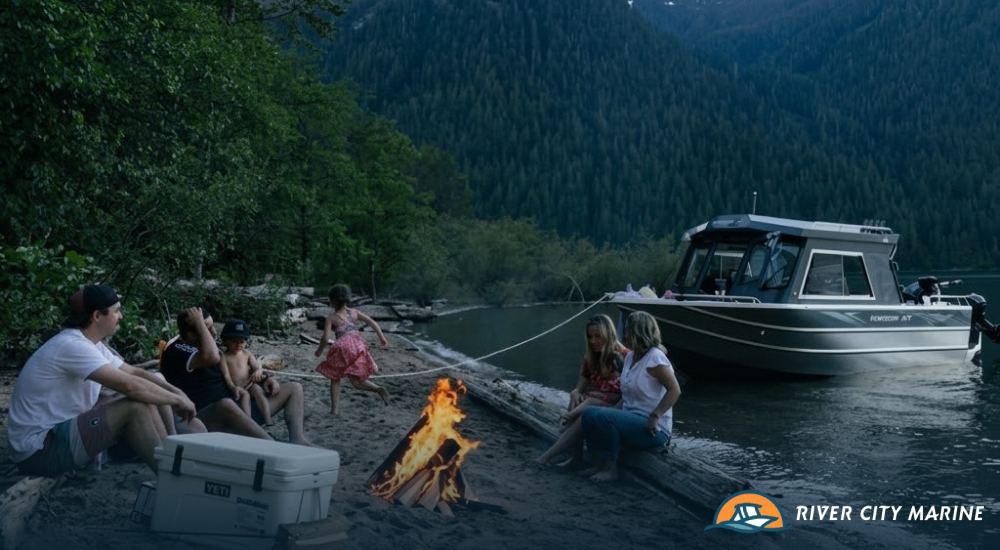
Forget visitor centres and flush toilets. A typical recreation site has cleared dirt city, and no cell service at most of them. That is the trade-ofpads, picnic tables, fire rings, pit toilets, and a boat launch if it borders a lake. There is no potable water, no electricity for having the place to yourself.
| FEATURE | RECREATION SITES | RV PARKS |
| Water/Power Hookups | No | Yes |
| Reservations | No, first-come, first-served | Usually Required |
| Cost | Free to $15/Night | $35 to $70+/Night |
| Boat Launch Access | Common | Rare |
| Crowd | Low | High in Summer |
These spots give you more freedom than a campground at a provincial park like Wells Gray Provincial Park, but you need to come prepared. Bring your own water. Pack out your own garbage. Do not expect help if something goes wrong.
Five Recreation Sites Worth the Drive
1. BUNTZEN LAKE RECREATION AREA
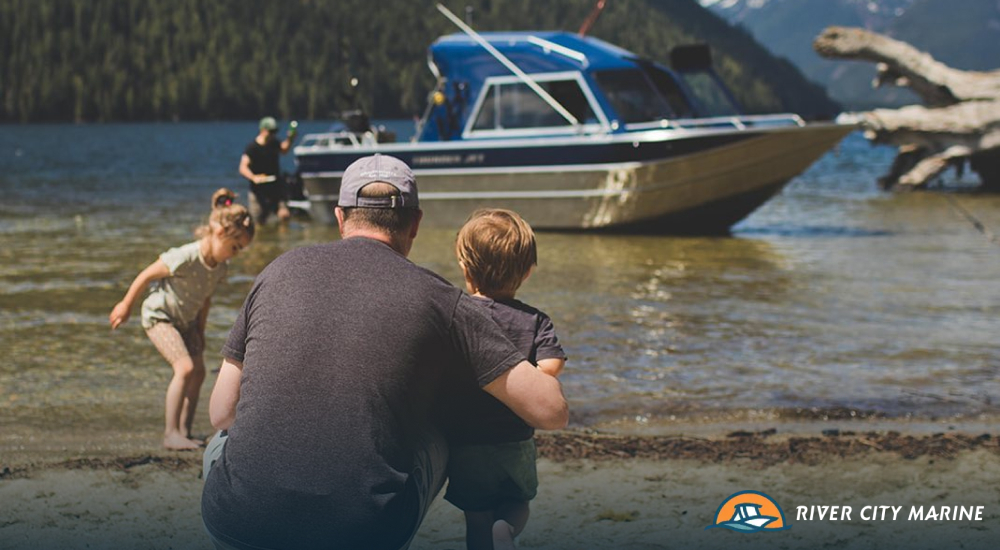
Buntzen Lake is a BC Hydro reservoir about 30 kilometres north of Port Moody. It spans 182 hectares and attracts thousands of visitors on summer weekends for activities such as kayaking, paddleboarding, and hiking. Motorized boats are banned but small battery-powered electric motors are allowed. Parking fills before 10 AM on sunny days, and overnight camping is not permitted. Good for paddle sports and day trips from the Fraser Valley.
2. HAYWARD LAKE RECREATION AREA
Hayward Lake sits on the Stave River near Mission, roughly 60 kilometres east of Vancouver. Calm water, a sandy beach, a concrete boat ramp, and 16 kilometres of hiking trail around the lake. Only non-motorized and electric boats are allowed. No overnight camping. Parking is first-come, first-served and fills up on warm weekends.
3. STAVE LAKE RECREATION AREA
Stave Lake is the rougher, bigger lake upstream from Hayward on the Stave River. Motorized boats are allowed here, making it one of the few BC Hydro recreation areas where you can run an outboard. The boat launch has a double-wide concrete ramp and floating docks. The water is cold year-round, and the shoreline is raw. Come prepared with all your own supplies.
4. JONES LAKE RECREATION SITE
Jones Lake (also called Wahleach Lake) sits at 640 metres elevation, about 42 kilometres east of Chilliwack. BC Hydro manages two free campsites with 55 total spots, all first-come, first-served. The lake has rainbow trout, cutthroat trout, and kokanee. The catch is the 9-kilometre access road. It is steep, rough gravel with serious potholes. A high-clearance 4×4 is the only smart way in. Sites are open May 1 to October 31 with a 14-night limit. If you are looking at new boats for lake fishing in British Columbia, Jones Lake is the kind of place where an aluminum hull on a trailer earns its keep.
5. SHUSWAP RIVER RECREATION SITES
The Shuswap River runs through the North Okanagan with multiple BC Hydro day-use areas along the river near Enderby and Shuswap Falls. Fishing for kokanee, whitefish, Dolly Varden, and rainbow trout pulls most people here. Kayaking, canoeing, and river floating are popular in summer. Overnight camping is not allowed at the BC Hydro spots, but there are dozens of recreation sites and trails in BC campgrounds in the broader Shuswap region on Crown land that do allow it.
| LOCATION | WATER CONDITION | IDEAL BOAT |
| BUNTZEN LAKE | Calm, Sheltered | Kayak, Paddleboard, Small Electric |
| HAYWARD LAKE | Calm to Moderate | Kayak, Canoe, Small Electric |
| STAVE LAKE | Open, Cold, Windy | Aluminum Fishing Boat, Motorized |
| JONES LAKE | Mountain Lake, Cold, Debris | Cartop Aluminum, Kayak |
| SHUSWAP RIVER | Flowing, Variable Current | Canoe, Kayak, Drift Boat |
Finding and Planning Your Trip
- Start at the official Recreation Sites and Trails BC website (sitesandtrailsbc.ca) and use their map or search tool to locate areas near your target lake or river.
- Cross-reference with BC Hydro recreation area listings if you are looking at reservoir lakes like Hayward, Stave, or Jones Lake.
- Check road conditions before you go. Forestry roads can wash out overnight and many of them are not maintained after October. Call the local forest district office if you are unsure.
- Look at seasonal closures. Heavy snow in the Canadian Rockies and Rocky Mountains can block road access to higher-elevation sites until late June.
- Download offline maps. Cell service does not exist at most of these spots. Backroad Mapbooks or the iMapBC tool from the BC government will save you from getting lost.
Rules and Safety
Most recreation sites run first-come, first-served. Some charge a small fee ($10 to $15 per night) and the standard Crown land camping limit is 14 consecutive days. Follow fire bans. BC has aggressive wildfire seasons and the province shuts down campfires hard during high-risk periods. Store food in bear-proof containers. Black bears live everywhere in British Columbia. Pack out all garbage because most sites have no collection. Practice Leave No Trace and respect the land of Indigenous Nations. Every recreation site sits on traditional territory.
Best Time to go
- Summer (June to September) is packed. This is when everything is open, the roads are clear, and the lakes are warm enough to swim in. Expect company at popular spots, especially on long weekends. Show up on a Thursday to get a spot at the more well-known sites.
- Spring (April to May) brings fewer crowds and cooler temperatures. Early spring means high, fast water from snowmelt, which makes river recreation sites more dangerous but lake sites more peaceful. Some higher-elevation sites will still be snowed in through May.
- Fall (September to October) is the sweet spot for people who want solitude. The weather can turn on you quickly, but the crowds disappear after Labour Day. Fall colours along the Columbia River valleys and through the Interior are worth the trip on their own.
- Winter (November to March) is off-limits for most recreation sites. Forestry roads are not plowed, snow buries campsites, and the risk of getting stranded is real. Only go in winter if you have serious backcountry experience and the right vehicle.
Get the Right Boat For BC Waters
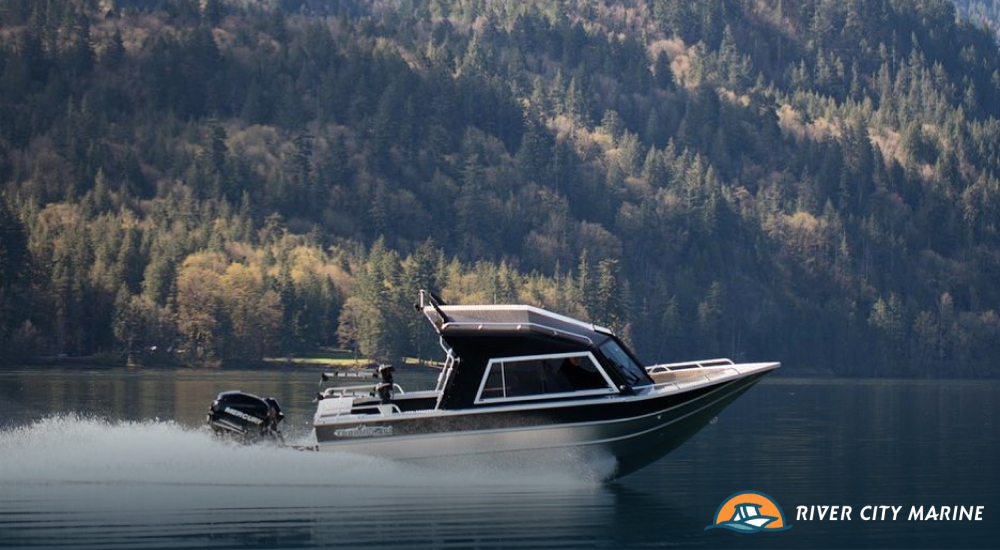
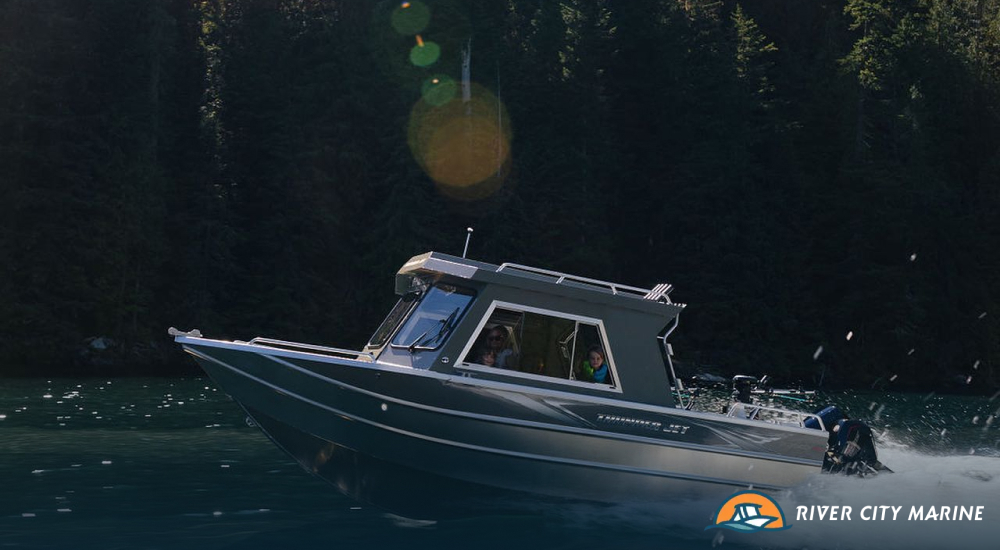
Recreation sites put your gear through more than a paved provincial park boat launch ever will. Gravel ramps, shallow water, and no dock in sight are the norm at most of these spots. We sell Thunder Jet aluminum boats that take that kind of abuse without flinching, and Grady-White fiberglass boats for anyone heading to bigger open water like the Strait of Georgia or Howe Sound.
Our shop is in Abbotsford and we service Yamaha and Mercury outboards year-round. If you are planning trips to any of the lakes or rivers in this guide and need a boat that fits, get in touch through our contact page.